
The used car market is a complex and often unforgiving financial landscape. Unlike the real estate market, where renovations can take months to complete and years to appreciate, increasing the value of a vehicle is often a matter of strategic, targeted maintenance that can be completed in a few days or weeks. When a potential buyer looks at your vehicle, they aren’t just buying a machine; they are buying peace of mind. They want to know that the car has been loved, cared for, and is unlikely to leave them stranded on the side of the road a month after the purchase.
Perception is reality in the automotive world. A vehicle that drives smoothly, smells clean, and glistens in the sunlight will command a significantly higher price than a mechanically identical car that rattles over bumps or has a cracked windshield. Sellers often leave hundreds, if not thousands, of dollars on the table simply because they didn’t want to deal with the hassle of fixing minor issues before listing. However, the return on investment for specific repairs is undeniably high. By presenting a car that feels “turn-key” ready, you shift the negotiation power in your favor. A buyer is far less likely to haggle over price if they cannot find any obvious flaws to use as leverage.
This guide will walk you through the essential areas you must address before planting that “For Sale” sign in the window. We will explore the mechanical, aesthetic, and safety-related improvements that offer the best bang for your buck, ensuring you get the top-tier offer your vehicle deserves. From the way the engine sounds to the clarity of the glass, every detail counts when you are trying to maximize your return.
Ensuring Safety and Handling: The Test Drive Experience

The most critical moment in selling a car is the test drive. This is where the buyer connects with the vehicle emotionally and physically. It is the moment where trust is either established or broken. If a buyer gets behind the wheel and feels a vibration in the steering wheel, hears a squeal when stopping, or feels the car drift to the left, they immediately begin calculating how much money they need to deduct from your asking price. Worse, they may simply walk away, assuming the car is unsafe. The driving dynamics of a car tell a story about its history; a tight, responsive ride suggests a conscientious owner, while a sloppy, noisy ride suggests negligence.
The braking system is the primary safety feature of any vehicle, and it is the first thing a savvy buyer will scrutinize. Nothing screams “neglect” louder than the high-pitched squeal of worn brake pads. If your car requires car brake repairs, do not ignore them. It is a red flag that suggests the owner has been deferring maintenance. A buyer assumes that if you didn’t care enough to ensure the car could stop safely, you likely didn’t change the oil or service the transmission either. Addressing these issues beforehand allows you to hand over the keys with confidence, telling the buyer, “I just had the brakes serviced,” which immediately boosts the car’s perceived value and reassures them of the vehicle’s safety.
Beyond the noise, the “feel” of the pedal is vital. A spongy pedal or a car that shudders when slowing down indicates warped rotors or air in the lines. These are not just annoyances; they are safety hazards that can terrify a cautious buyer. Investing in professional brake repairs ensures that the stopping power is firm, linear, and silent. When a buyer taps the pedal and the car responds instantly and smoothly, it communicates that the vehicle is tight, safe, and well-maintained. This tactile reassurance is often the difference between a quick sale at your asking price and a prolonged negotiation that ends in a lowball offer.
Key areas to inspect before the buyer arrives:
- Auditory Check: Roll down the windows and drive next to a wall or barrier. Listen for grinding, squeaking, or clicking noises when you apply the brakes. These sounds are amplified by the reflection and are easy to spot.
- Vibration Analysis: Pay attention to the steering wheel. If it shakes back and forth when you brake, your rotors are likely warped and need resurfacing or replacement.
- Fluid Condition: Check the brake fluid reservoir. If the fluid is dark or smells burnt, it needs to be flushed. Clear, golden fluid looks much better to a buyer checking under the hood.
- Emergency Brake: Ensure the parking brake engages fully and holds the car on an incline without slipping. This is a common failure point in state safety inspections.
Addressing Major Mechanical Concerns
While the test drive highlights handling, the overall mechanical health of the engine and drivetrain determines the longevity of the car. Today’s buyers are more educated than ever. Many will bring an OBD-II scanner to check for cleared error codes, or they will hire a mechanic to perform a pre-purchase inspection. You cannot hide major mechanical issues, so your best strategy is to address them head-on. A transparent seller is a trustworthy seller, and trust is the currency of the used car market.
The “Check Engine” light is the single biggest “deal killer” in a private sale. Even if the code is for a minor sensor, the glowing orange light suggests catastrophic failure to a layperson. Before listing, you must conduct a thorough assessment of the vehicle’s core systems. General car repair tasks, such as fixing oil leaks, replacing worn belts, and ensuring the air conditioning blows cold, are essential. If a buyer pops the hood and sees oil caked on the engine block or spots a puddle of coolant on the ground, they will assume the worst. Cleaning up the engine bay and fixing active leaks shows transparency and care, transforming a potential “fixer-upper” into a reliable daily driver.
In rare cases involving classic cars, high-value trucks, or vehicles with otherwise immaculate bodies but blown motors, you might face a difficult decision regarding the powertrain. While it is rarely profitable for a standard commuter car, there are instances where car engine replacements are the only way to salvage the vehicle’s value. Selling a car with a seized engine usually means selling it for scrap value. However, installing a remanufactured or low-mileage used engine can restore the vehicle’s market price to that of a running example. This is a significant investment and should only be undertaken if the math makes sense—specifically, if the difference between the “scrap” price and the “running” price exceeds the cost of the swap.
Mechanical preparation checklist:
- Fluid Hygiene: Change the oil, transmission fluid, and coolant if they are old. Fresh, clean fluids look great on a dipstick and show the buyer you aren’t selling them a car due for immediate service.
- Filtration: Replace the engine air filter and cabin air filter. A dirty cabin filter can make the interior smell musty, while a clean engine filter improves throttle response.
- Belt Integrity: Check the serpentine belt for cracking or fraying. A snapped belt during a test drive is a guaranteed failed sale and can cause damage.
- Battery Health: Ensure the battery has a recent date code and starts the car strongly, even on cold mornings. A slow crank suggests a dying battery or alternator issues.
Crystal Clear Vision: Fixing Auto Glass
The windshield is the lens through which the buyer views the road. It frames their entire driving experience and serves as a constant reminder of the car’s condition. Unfortunately, it is also a magnet for rocks and road debris. Many sellers become “nose blind” to the chips and cracks in their own windshields because they look past them every day. A potential buyer, however, will see every imperfection immediately. Glass damage is one of the most visible indicators of wear and tear, and it instantly degrades the aesthetic appeal of the car, making it feel older and more used than it actually is.
If your windshield has minor damage, such as small bullseyes or star breaks, you should address them immediately. Professional windshield repair is often surprisingly affordable and, in many cases, can be done mobile at your home or office. By filling these chips with resin, you prevent them from spreading into large cracks and restore the structural integrity of the glass. More importantly, you remove a visual distraction. When a buyer sits in the driver’s seat, you want them looking at the road, not focusing on a pit in the glass that is right in their line of sight.
However, if the damage is extensive—such as a crack that spans more than a few inches or damage directly in the driver’s view—repair might not be an option. In this scenario, booking a windshield replacement service is a necessary expense. While more costly than a repair, a brand-new windshield makes an older car feel significantly newer. It removes the “sandblasted” look that high-mileage glass often gets and eliminates the glare from micro-scratches. This is a high-impact cosmetic fix that also serves a crucial safety function, as the windshield contributes to the structural strength of the cabin in the event of a rollover.
Glass assessment tips:
- Perimeter Check: Look for milky white edges around the glass, which indicate the seal is failing (delamination). This can lead to leaks and wind noise.
- Wiper Etching: Assess if the wipers have etched arcs into the glass. If deep, polishing may not be enough, and replacement might be required.
- Window Operation: Test all side windows to ensure they roll up and down smoothly without grinding noises or hesitation.
- Mirror Condition: Don’t forget to check side mirrors for cracks, discoloration, or de-silvering, which can be safety issues.
Restoring the Exterior: Dents, Dings, and Scratches
First impressions are formed within seven seconds. When a buyer walks up to your driveway, the exterior condition of the car sets the tone for the entire interaction. If the body is riddled with dents, bumper scuffs, and deep scratches, the buyer enters the negotiation with a negative mindset, already looking for other things that are “wrong” with the car. Conversely, a straight, clean body suggests that the car was garaged, driven carefully, and respected by its owner. It creates a “halo effect” where the buyer assumes the mechanicals are just as good as the cosmetics.
Accidents happen, but selling a car with unresolved accident damage is difficult and significantly reduces your potential buyer pool. If your vehicle has significant body damage, frame issues, or misaligned panels, you should consult a professional about auto body collision repair. Selling a car with a “salvage” look drastically reduces the price you can command. Most private buyers are looking for a car they can drive immediately, not a project that requires a trip to the body shop. Investing in straightening the metal and matching the paint can yield a return of 150% or more on the cost of the repair, depending on the vehicle’s baseline value.
For older vehicles that may have had past incidents, transparency is key. If you had work done previously, having the paperwork for that collision repair is actually a selling point. It proves that the work was done professionally rather than patched together in a backyard. It reassures the buyer that the safety systems, such as crumple zones and airbags, are intact. Even for minor cosmetic issues, like a dented bumper from a parking lot mishap, fixing it removes the “beater” stigma attached to the vehicle and elevates it to a “clean daily driver” status.
Exterior triage guide:
- Paintless Dent Repair (PDR): For small dings without paint damage, PDR is a cost-effective miracle. It can make a door look brand new for a fraction of the cost of a traditional body shop.
- Bumper Refinishing: Scuffed plastic bumpers are common city scars. Having them resprayed is often cheaper than replacing them and drastically improves the car’s overall look.
- Headlight Restoration: Foggy, yellow headlights age a car instantly. Restoring them to clear plastic is one of the cheapest and most effective visual upgrades you can make.
- Wheel Refurbishment: Curb rash on alloy wheels can be sanded and painted, making the wheels look factory fresh and well-cared for.
Preserving the Paint and Finish
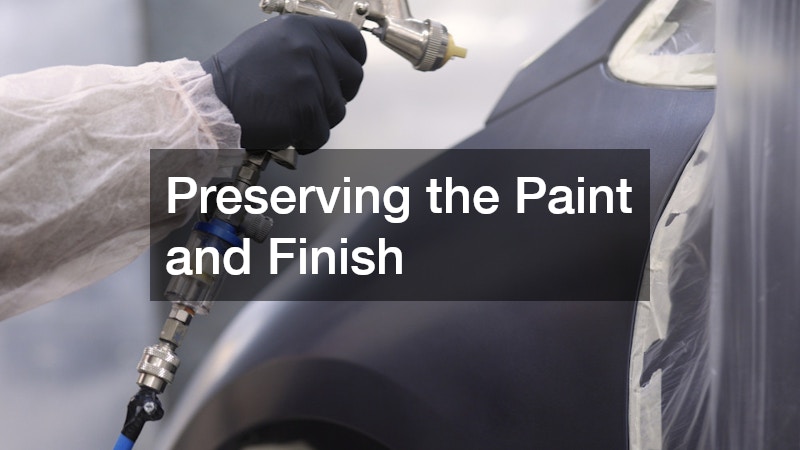
Once the dents are removed, the condition of the paint itself becomes the star of the show. Paint that is faded, oxidized, or covered in “swirl marks” from improper washing makes a car look tired and old. On the other hand, paint that has a deep, wet gloss suggests that the car has been pampered. For high-end, luxury, or sports cars, the quality of the finish is a major component of the value proposition. Buyers of these vehicles are often enthusiasts who care deeply about aesthetics.
If you are selling a newer or higher-end vehicle, check to see if it has any existing protective films. Paint protection film services are a premium add-on that many owners invest in to protect the front end from rock chips and bug splatter. If your car has this film, make sure to highlight it in your listing. It is a value-added feature that savvy buyers appreciate because it means the paint underneath is likely pristine. However, if the film is old, yellowing, or peeling, it can have the opposite effect. In such cases, having the film professionally removed or replaced can reveal the fresh paint underneath, instantly upgrading the car’s appearance.
For cars without film, a professional detail is non-negotiable. A clay bar treatment followed by a machine polish and high-quality wax can remove years of oxidation and grime. This process restores the depth of the color and makes the car pop in photos. Remember, most buyers start their search online. Your photos need to show a car that shines, reflecting the surroundings. Dull paint gets scrolled past; shiny paint gets clicks. Even a basic wash and wax can make a $5,000 car look like a $7,000 car.
Steps for paint perfection:
- Decontamination: Wash the car thoroughly and use an iron remover or clay bar to pull out embedded road tar and sap that normal washing misses.
- Correction: Use a dual-action polisher to remove light scratches and swirl marks. This restores the reflection and gloss of the clear coat.
- Protection: Apply a ceramic sealant or high-quality Carnauba wax for a long-lasting shine that beads water beautifully during the inspection.
- Trim Restoration: Don’t forget black plastic trim. Use a restorative product to turn faded gray plastic back to rich black, framing the paint nicely.
The Importance of Professional Documentation
You have fixed the brakes, tuned the engine, replaced the windshield, and polished the paint. The car is in fantastic shape. Now, you need to prove it. In the world of used car sales, documentation is the currency of trust. A verbal promise that “I changed the oil last week” means nothing compared to a dated receipt from a reputable shop. Buyers are naturally skeptical; paper records help dismantle that skepticism piece by piece.
Throughout your ownership, and especially during the pre-sale preparation phase, try to build a relationship with a trusted local auto repair shop. When a buyer sees a stack of service records from a single, consistent establishment, it tells a story of responsible ownership. It shows that the car wasn’t just taken to the cheapest quick-lube place available, but was looked after by professionals who knew the vehicle’s history. It implies that the mechanic had a chance to spot other issues and that you likely addressed them.
Organize your receipts chronologically in a binder or folder. Highlight the recent work you have done, such as the new brakes or the windshield replacement. When a buyer comes to look at the car, hand them this folder. This simple act is incredibly disarming. It answers their questions before they ask them and removes the fear of the unknown. It justifies your asking price because you can point to the folder and say, “I have invested X amount into this car to ensure it is perfect for you.”
What to include in your service folder:
- Routine Maintenance: Oil change records prove consistent maintenance intervals, which are crucial for engine longevity.
- Major Services: Receipts for timing belts, water pumps, and transmission flushes show that the big-ticket items have been handled.
- Tire Documentation: Receipts showing the age and warranty of the tires help the buyer understand how much life is left in the rubber.
- Recall Clearances: Documents proving that all factory recalls have been performed show you stayed on top of manufacturer notices.
- Keys and Manuals: Always try to have both sets of keys and the original owner’s manual; replacements are expensive, and missing one is a bargaining point for buyers.
Conclusion
Preparing a car for resale is about more than just a quick wash and vacuum. It requires a strategic approach to maintenance that prioritizes safety, mechanical reliability, and cosmetic appeal. By addressing the critical areas outlined in this guide, you are doing more than just fixing a car; you are curating a product. You are eliminating the reasons a buyer might say “no” and highlighting the reasons they should say “yes.”
Every dollar you spend on smart repairs—whether it is silencing a squeaky brake, filling a windshield chip, or buffing out a scratch—is an investment in the final sale price. Buyers are willing to pay a premium for a vehicle that needs nothing. They value the time and effort you have saved them. So, before you take those listing photos, walk around your vehicle with a critical eye. Make the necessary repairs, gather your documentation, and list your car with the confidence that you are offering one of the best vehicles on the market. The effort will be reflected in the speed of the sale and the cash in your hand.

