
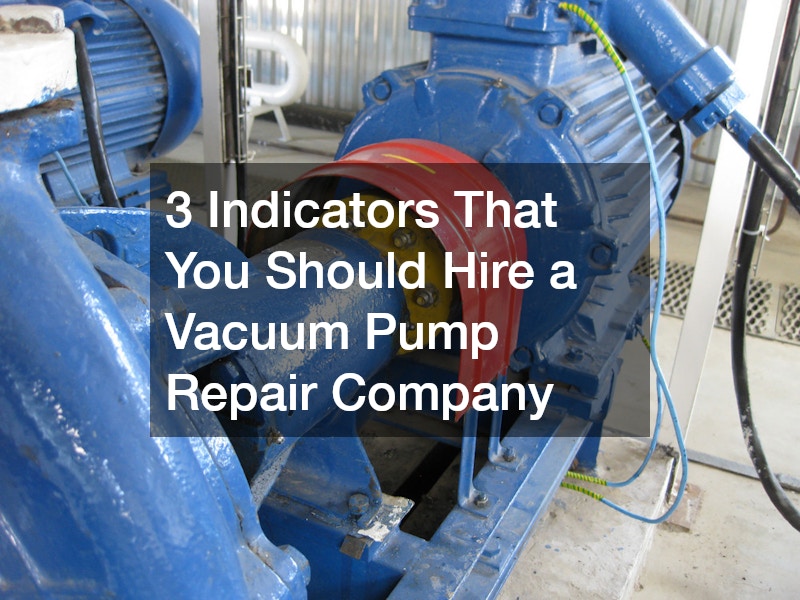
A vacuum pump plays an important role in many industrial and commercial applications, helping remove air and gases from a sealed system to create the necessary vacuum conditions. Like any mechanical equipment, however, a vacuum pump can develop problems that affect performance, efficiency, and reliability. Recognizing early warning signs can help prevent more serious damage and costly downtime.
If you notice unusual sounds, declining performance, or other changes in how your equipment operates, it may be time to contact a vacuum pump repair company. Addressing problems promptly can help protect the pump and keep connected equipment operating as intended.
1. Unusual Sounds or Vibrations
One of the clearest indicators of a vacuum pump problem is a noticeable change in the way the equipment sounds or moves during operation. Pumps typically produce consistent operating sounds, so new grinding, rattling, knocking, or squealing noises may indicate that something inside the unit is not functioning correctly. Excessive vibration can also signal mechanical problems that should not be ignored.
Several issues can contribute to unusual sounds and vibrations. Worn bearings, damaged internal components, misalignment, loose fasteners, or problems with the pump’s drive system may all affect normal operation. In some cases, foreign material or debris may also interfere with moving components. Determining the exact cause requires an inspection rather than simply assuming that the pump needs to be replaced.
Ignoring unusual noises can allow a relatively manageable problem to become more extensive. For example, a worn component may continue deteriorating and eventually damage other parts of the pump. Continued operation under these conditions can also place additional stress on connected equipment and increase the likelihood of an unexpected shutdown.
2. Declining Vacuum Performance
Another important indicator is a noticeable decline in vacuum performance. A pump that takes longer to reach the required vacuum level, struggles to maintain pressure, or no longer achieves the same results as before may have an underlying mechanical or operational issue. Changes in performance can interfere with production processes and may reduce the consistency of finished products.
A decline in vacuum performance does not necessarily mean the pump itself has suffered major mechanical damage. Leaks in hoses, seals, fittings, or other parts of the vacuum system can make it difficult for the pump to achieve the desired vacuum. Contamination, worn seals, clogged filters, improper lubrication, and other maintenance-related problems can also affect performance.
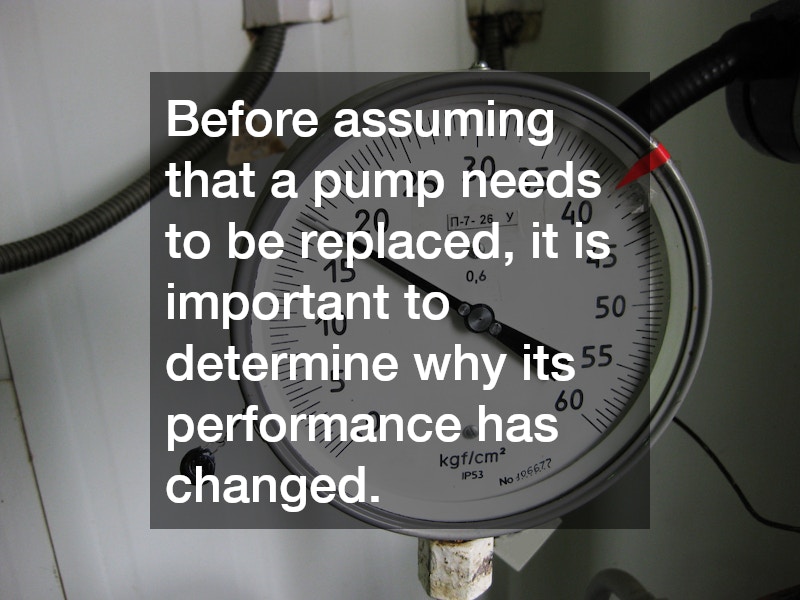
Before assuming that a pump needs to be replaced, it is important to determine why its performance has changed. A qualified technician can inspect the pump and surrounding components, test the system, and identify potential sources of lost vacuum. This approach can help prevent unnecessary replacement costs while addressing the underlying issue.
If performance has gradually declined or changed suddenly, scheduling professional service may be appropriate. A vacuum pump repair company can evaluate the equipment and recommend the most practical solution based on the pump’s condition, operating environment, and intended application.
3. Increased Operating Costs or Frequent Breakdowns
Unexpected increases in operating costs can also point to a vacuum pump that needs attention. A pump that is working harder than normal may consume more energy while producing less effective vacuum performance. Over time, reduced efficiency can increase operating expenses, particularly in facilities where vacuum equipment runs frequently or for extended periods.
Frequent breakdowns are another warning sign. If the same pump repeatedly requires emergency service or replacement components, there may be a deeper issue that has not been fully addressed. Replacing individual parts without identifying the underlying cause may provide only a temporary solution. A comprehensive inspection can help determine whether the problem involves maintenance practices, component wear, operating conditions, or another factor.
Preventive attention can also help reduce the risk of unexpected downtime. Regular inspections allow technicians to identify worn components and developing problems before they result in a major failure. Depending on the equipment and application, maintenance may include checking seals, bearings, lubrication, filters, connections, and other components that influence pump performance.
Recognizing these indicators early can make it easier to address problems before they result in extensive damage or prolonged downtime. If your equipment is showing one or more of these warning signs, consider arranging a professional inspection from a vacuum pump repair company to determine what is causing the issue and what repair or maintenance steps may be appropriate.

