
Bringing a rescued cat home is an exciting milestone, but the work of protecting that cat starts in the yard, not the living room. Many newly adopted cats are timid, disoriented, or prone to bolting toward the nearest fence line or gap in the hedges. A yard that looks perfectly safe to a human can be full of predator entry points, escape routes, and hidden hazards that put a fragile new arrival at risk. Before adoption day arrives, taking a hard look at your outdoor space can mean the difference between a smooth transition and a heartbreaking loss.
Assess the Existing Fence Line for Gaps and Weak Spots
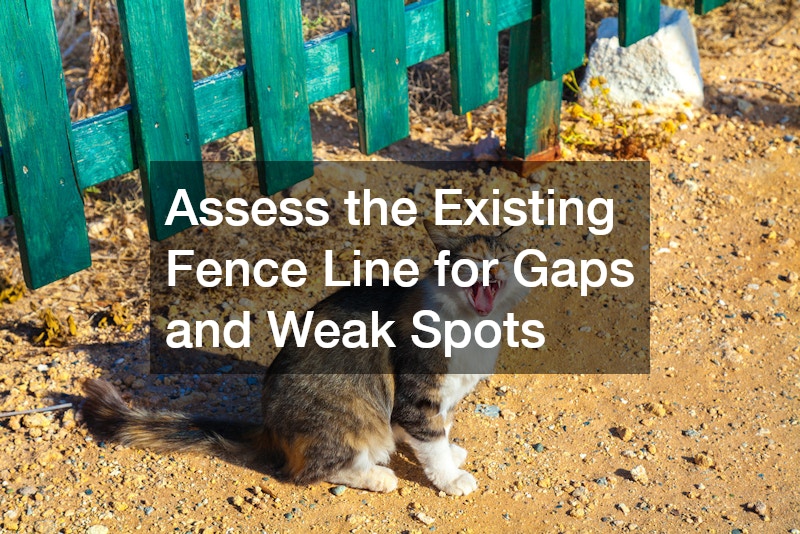
Most yards were not built with a nervous, escape-prone cat in mind, which means fences that look sturdy from a distance often hide gaps at ground level or loose boards a determined animal can squeeze through. Walk the entire perimeter on foot and get down to the cat’s eye level to spot problem areas before your rescue does. A shockingly small opening is all it takes — most adult cats can flatten their bodies and fit through a gap as narrow as four inches, so don’t dismiss anything that seems “too small to matter.”
Pay special attention to spots where the fence meets a gate, a shed, or a neighboring property line, since these junctions are the most common failure points. Gates are especially deceptive because they often sag over time, leaving a widening gap at the hinge side or bottom edge that isn’t visible until you actually crouch down and check. Also check where fence panels meet uneven ground; a dip in the soil can create a tunnel-sized shortcut even if the fence itself is intact.
While you’re at it, look up as well as down. Overhanging tree branches, stacked patio furniture, or a woodpile near the fence line can act as a launching pad, giving a cat enough height to simply climb over rather than squeeze through. Note any of these access points now, since they’ll factor into whether you need a fence topper, angled extension, or roller bar system before adoption day.
Before grabbing a hammer, walk the entire perimeter and check for gaps at ground level, loose boards, gaps under gates, and spots where the fence meets a shed, tree, or neighboring structure. Cats can squeeze through openings as small as four inches, and they’re just as likely to dig under a fence as climb over it, so don’t overlook the bottom few inches. Note any sections where the fence is under six feet tall, since even a healthy adult cat can clear that with a running start or a nearby tree branch as a launch point.
If your existing fence has multiple problem areas, it may be worth consulting one of the local fence companies that specialize in animal containment rather than patching things yourself. Many offer cat-specific solutions like angled toppers, rollers, or extended mesh that prevent climbing without being an eyesore. Some companies also install buried wire mesh aprons along the base to stop digging, which is nearly impossible to retrofit yourself once landscaping is in place.
Getting a professional opinion early gives you time to make repairs before the cat ever sets a paw outside. Many fence companies will also flag hazards you might miss, like gaps that let in raccoons or coyotes, which matters just as much for keeping predators out as it does for keeping your new cat in.
Identify Predators Common to Your Neighborhood
Depending on where you live, a rescued cat could face threats ranging from coyotes and foxes to hawks, owls, or even aggressive neighborhood dogs. Newly adopted cats often lack the street smarts of cats raised outdoors, making them especially vulnerable during their first few weeks in a new environment. Knowing what actually roams your area at night versus during the day helps you plan realistic protections rather than guessing.
If you notice signs of larger wildlife such as den sites, tracks, or droppings near your property, reaching out to local wildlife removal can help you understand the scope of the problem. These professionals can identify entry points animals use to access your yard and offer humane deterrents that keep both the wildlife and your future pet safer. Addressing this before adoption day is far easier than dealing with an encounter after the fact.
Rule Out Rodents and Insects That Attract Bigger Threats
Predators are drawn to easy meals, and a yard with an active rodent or insect problem is essentially an open invitation. Mice, rats, and even large insect populations can attract snakes, raccoons, coyotes, and birds of prey like hawks and owls, all of which pose a direct danger to a small cat exploring outside for the first time. A single rodent nest near a shed or woodpile can be enough to draw a predator into your yard on a regular basis.
Before adoption day, walk the perimeter of your yard looking for telltale signs of infestation: burrow holes, gnaw marks on wood or wiring, droppings near the foundation, or discarded shells and wings from insect swarms. Standing water and unmowed grass are also magnets for insects, which in turn draw in the small mammals and birds that predators hunt. Even seemingly harmless piles of leaves or brush can become a nesting site if left unchecked for a few weeks.
Cleaning up these smaller pest issues is a preventive step that many new pet owners overlook, but it matters just as much as fencing or shelter. Sealing entry points, trimming back overgrown vegetation, and storing pet food or birdseed in airtight containers can all reduce the chances of rodents settling in. If an infestation is already established, consider working with a pest control service that uses cat-safe methods, since many traditional rodenticides and insecticides are toxic to cats if ingested directly or through prey.
- Store pet food and birdseed in sealed metal or heavy-duty plastic containers rather than open bags, since rodents can chew through thin plastic in minutes
- Remove standing water sources like clogged gutters, plant saucers, and old buckets that attract insects and rodents alike
- Trim overgrown vegetation and clear woodpiles where pests like to nest, keeping shrubs at least a foot from fences and walls
- Schedule a yard inspection with a local pest control company before adoption day to catch burrows, nests, or entry points you might miss
- Ask the local pest control company about pet-safe treatment options if any pests are found, since many traditional baits are toxic to cats
- Keep compost bins covered, secured with a locking lid, and located away from the main play area
- Seal gaps under sheds, decks, and fences where rats and mice often nest undetected
Secure Gaps Around Sheds Decks and Outdoor Structures
Predators do not always come over the fence; sometimes they come up through gaps under a deck, into a crawlspace beneath a shed, or through a loose foundation vent. These hidden access points are easy to miss during a casual walk-through but are exactly the kind of spot a raccoon or opossum will use to shelter close to your cat’s new territory. A thorough check of every structure on the property should happen well before the cat arrives.
If you are already planning other home renovations, this is a good time to fold in predator-proofing upgrades like sealing foundation gaps or adding mesh barriers under porches. Combining projects saves money and ensures the work gets done with the same attention to detail as the rest of your remodel. It also reduces the chances of forgetting a vulnerable spot once the excitement of the renovation wears off.
Evaluate Entry Points at Gates and Driveways

Gates and driveway entrances are often the most overlooked weak points in an otherwise secure yard, since they are opened and closed frequently and can be left ajar by accident. A cat that darts toward an open gate during a delivery or a guest’s arrival can be gone in seconds, especially if it is still adjusting to its new home. Self-closing hinges and secondary latches are simple, affordable additions that dramatically reduce this risk.
For households near busy streets or with frequent foot traffic, installing local security gates can add an extra layer of protection beyond a standard fence gate. These gates are often sturdier, harder for animals to push open, and can be paired with keypad or automatic closing systems for convenience. This is particularly useful for families who already deal with delivery drivers, dog walkers, or contractors coming and going regularly.
Add Visual Monitoring for Blind Spots in the Yard
Even a well-fenced yard can have blind spots behind sheds, under bushes, or along a shaded fence line where you cannot easily see what is happening in real time. Cats are curious by nature, and a rescued cat testing the boundaries of a new space may find these hidden corners appealing, which is exactly where predators tend to lurk as well. Knowing what happens in these areas when you are not physically outside adds real peace of mind.
Investing in security camera services allows you to monitor these blind spots remotely and receive alerts if motion is detected during odd hours. Many systems can distinguish between a falling leaf and an actual animal, cutting down on false alarms while still catching genuine threats. This kind of monitoring is especially valuable during the first few months after adoption, when a cat is still learning the boundaries of its new territory.
Choose Cat Safe Landscaping and Lawn Treatments
The plants and chemicals used in yard maintenance can be just as dangerous to a new cat as a predator, particularly if fertilizers, pesticides, or certain flowering plants are toxic when ingested. Cats often nibble on grass or plants out of curiosity, so it is worth reviewing what is currently growing in your yard before the adoption date. Removing toxic plants and switching to pet-safe products is a straightforward way to reduce risk.
If you regularly work with a lawn care company, let them know a cat will be spending time outdoors so they can adjust the products and schedule accordingly. Many companies offer pet-safe fertilizer and weed control options that are just as effective without the added danger. Timing treatments so the yard is fully dry and safe before your cat is allowed outside is a simple step that prevents accidental exposure.
Prepare a Safe Alternative for Days When the Yard Is Not Ready
Predator-proofing a yard takes time, and adoption day does not always line up neatly with the completion of fence repairs or landscaping changes. Having a backup plan keeps your new cat safe and contained without delaying the adoption itself. A secure indoor space, a supervised catio, or a temporary enclosure can all serve as a bridge while outdoor work continues.
If travel or renovation timing overlaps with the adoption, some families choose to use a dog boarding kennel that also accepts cats for a short stay until the home environment is fully ready. This can be a practical short-term solution rather than rushing outdoor access before it is truly safe. It also gives contractors or landscapers room to finish work without a curious new pet underfoot.
Schedule a Wellness Check Before Outdoor Access Begins
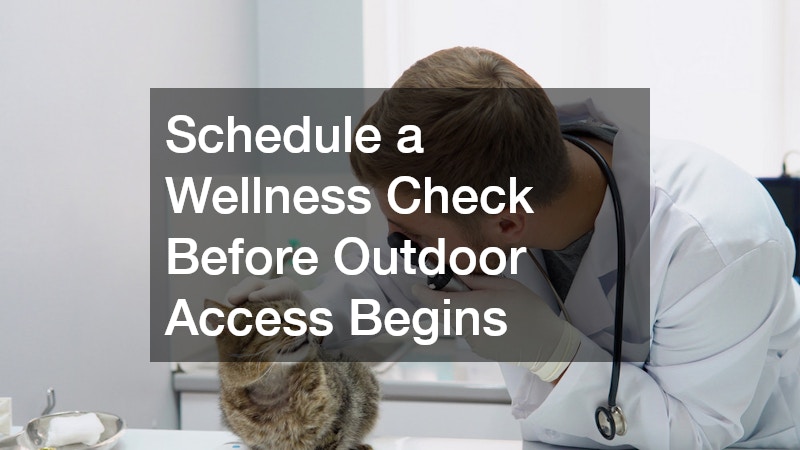
Before any rescued cat is allowed into a newly secured yard, a checkup with one of your local veterinarians should be on the calendar. This visit confirms the cat is healthy, up to date on vaccinations, and free of parasites that could be transmitted to local wildlife or vice versa. It also gives you a chance to discuss the cat’s temperament and stress level, which can inform how much outdoor freedom is appropriate early on.
Many veterinarians also recommend microchipping before outdoor access begins, since even the most predator-proof yard cannot guarantee a cat will never slip out during a moment of panic. This step adds a critical safety net that works in tandem with all the physical barriers you have put in place. Combining medical readiness with yard security gives your new cat the best possible start.
Consider Breed Specific Needs Before Finalizing Yard Plans
Not all cats interact with outdoor space the same way, and breed characteristics can influence how much protection is truly necessary. Larger, more assertive breeds may attempt to challenge small predators or defend territory, while smaller or more timid cats may freeze or hide instead of fleeing to safety. Understanding these tendencies helps you tailor your yard setup to the specific cat you are adopting.
For example, maine coon cats are known for their size and confidence, which can make them more willing to explore further from the house than smaller breeds might. While their larger stature offers some natural advantage against small predators, it does not eliminate the risk from coyotes, birds of prey, or aggressive dogs. Researching the general temperament of the breed you are adopting, when known, helps set realistic expectations for supervised outdoor time.
A predator-proof yard is not a single project but a combination of fence checks, professional inspections, smart landscaping choices, and a solid backup plan for the days when everything is not quite ready. Taking these steps before adoption day arrives protects your new cat during the most vulnerable period of adjustment, when curiosity often outweighs caution. Start with a walk around your property, make a checklist of the gaps and risks you find, and bring in professional help where the task is bigger than a weekend project. Your rescued cat is counting on you to get the yard right before the front door ever opens to the outside world.

