
Key Takeaways
- Thorough documentation immediately after the storm is critical, including photos, videos, and inventories of both structural damage and personal belongings before any cleanup begins.
- Insurance claim outcomes vary widely depending on the quality of evidence submitted, how well the damage is recorded, and how clearly the policy coverage is understood.
- Reviewing your insurance policy in detail helps you identify coverage limits, exclusions, and benefits such as replacement value or living expense coverage that can significantly affect compensation.
- Taking reasonable temporary protective measures (like covering roof damage or preventing water intrusion) is often required and can prevent further losses while also strengthening your claim record.
- Independent inspections and contractor estimates can uncover hidden or overlooked damage, providing stronger support when negotiating repair costs with the insurer.
- Avoiding common mistakes—such as delaying the claim, discarding damaged items too early, or accepting the first offer without review—helps preserve your ability to negotiate effectively.
- Organized records of all communications, expenses, inspections, and repairs play a key role in resolving disputes and ensuring a smoother claims process.
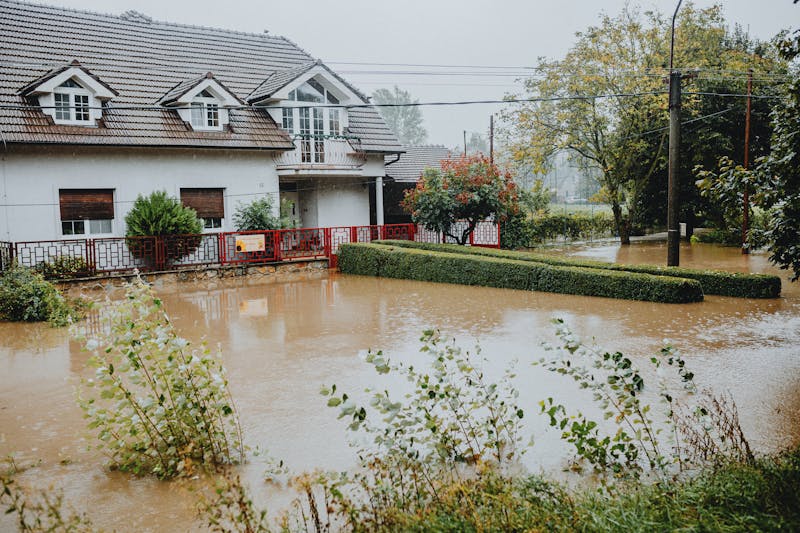
Severe storms can leave homeowners facing extensive property damage, unexpected expenses, and a long road to recovery. Whether your home has been affected by high winds, hail, flooding, hurricanes, or fallen trees, filing an insurance claim is often the first step toward rebuilding. Unfortunately, many property owners discover that obtaining a fair settlement is not always straightforward. Insurance policies contain complex terms, claims require substantial documentation, and mistakes during the process can reduce the amount of compensation you receive.
The good news is that homeowners who understand the claims process and take strategic steps early can significantly improve their chances of securing a favorable outcome. From documenting damage and preserving evidence to working with qualified professionals and negotiating with insurers, there are proven ways to protect your interests and maximize your recovery. This guide explores practical strategies that can help you receive the compensation you deserve after a damaging storm.
Why Do Some Homeowners Receive Larger Settlements Than Others?
Many homeowners assume that insurance companies automatically pay the full amount needed to restore a property after a storm. In reality, claim outcomes often vary dramatically depending on how well the damage is documented, the policyholder’s understanding of coverage, and the quality of the evidence submitted.
Insurance adjusters evaluate claims based on available information. If damage is poorly documented or important details are omitted, the insurer may undervalue the loss. On the other hand, homeowners who provide thorough documentation, professional assessments, and clear records are often in a stronger position during settlement negotiations.
Several factors commonly influence settlement amounts:
- The extent and type of storm damage.
- The quality of supporting evidence.
- The homeowner’s policy coverage limits.
- Deductibles and exclusions.
- The accuracy of repair estimates.
- Local building code requirements.
- The timing of claim submission.
Understanding these factors before beginning the claims process can help you avoid common pitfalls and strengthen your position.
What Should You Do Immediately After the Storm?
The actions taken in the first hours and days after a storm can significantly affect your insurance claim. While safety should always come first, documenting the damage as soon as possible helps preserve critical evidence before cleanup and repairs begin.
Once authorities declare the area safe, inspect your property carefully and begin recording visible damage.
Important first steps include:
- Photograph all damaged areas from multiple angles.
- Capture wide shots and close-up images.
- Record videos showing the overall condition of the property.
- Document damaged personal belongings.
- Save receipts for emergency repairs and temporary accommodations.
Many homeowners rush to clean up debris before documenting the damage. While cleanup is understandable, removing evidence can make it more difficult to prove the full extent of losses later.
Taking time to create a detailed record can provide valuable support throughout the claims process.
How Can You Thoroughly Document Property Damage?
Strong documentation is one of the most effective ways to maximize a settlement. Insurance companies rely heavily on evidence when evaluating losses, making it essential to create a comprehensive record.
A detailed documentation process should include both structural damage and personal property losses.
Areas to document include:
Exterior Damage
- Roof damage
- Missing shingles
- Damaged siding
- Broken windows
- Damaged gutters
- Fence destruction
- Fallen trees
- Driveway damage
Interior Damage
- Water stains
- Ceiling leaks
- Damaged flooring
- Mold growth
- Electrical damage
- Broken appliances
Personal Property
Create an inventory that includes:
- Furniture
- Electronics
- Clothing
- Appliances
- Artwork
- Tools
- Outdoor equipment
Whenever possible, include:
- Purchase dates
- Original costs
- Receipts
- Serial numbers
- Warranty information
The more evidence you provide, the more difficult it becomes for an insurer to dispute your losses.
Why Is It Important to Understand Your Insurance Policy?
Many claim disputes occur because homeowners misunderstand what their policies actually cover. Reviewing your policy before discussing settlement figures can help you identify coverage opportunities and avoid surprises.
Pay close attention to:
- Coverage limits
- Deductibles
- Exclusions
- Replacement cost provisions
- Actual cash value provisions
- Additional living expense coverage
- Debris removal coverage
Replacement cost coverage typically provides greater compensation than actual cash value coverage because it accounts for the cost of replacing damaged items rather than deducting depreciation.
Knowing the details of your policy allows you to identify benefits that may otherwise be overlooked during the claim process.
Should You Make Temporary Repairs Right Away?
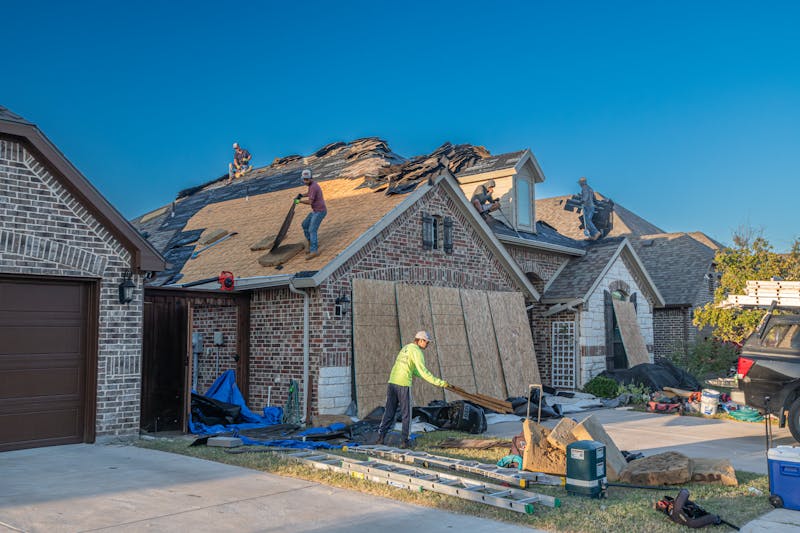
Most insurance policies require homeowners to take reasonable steps to prevent additional damage after a storm. This obligation is commonly referred to as the duty to mitigate damages.
Temporary repairs can help protect your property while permanent repairs are being arranged.
Examples include:
- Tarping damaged roofs
- Boarding broken windows
- Removing standing water
- Covering exposed walls
- Stabilizing unsafe structures
Keep detailed records of all mitigation efforts.
Be sure to save:
- Receipts
- Invoices
- Photographs
- Contractor estimates
These expenses are often reimbursable under your policy and can demonstrate that you acted responsibly after the storm.
How Can Professional Inspections Strengthen Your Claim?
Insurance adjusters are skilled professionals, but they may not identify every issue affecting your property. Independent inspections can reveal hidden damage that might otherwise go unnoticed.
Professional assessments can be especially valuable for:
- Roofing systems
- Structural components
- HVAC equipment
- Electrical systems
- Plumbing systems
- Foundations
Experts often discover problems such as moisture intrusion, structural shifting, insulation damage, or hidden leaks that are not immediately visible.
For homeowners who are recovering from severe weather damage, obtaining multiple expert evaluations can provide a clearer picture of the true cost of restoration and help prevent underpayment.
What Role Do Contractors Play in the Claims Process?
Qualified contractors can provide detailed repair estimates that support your claim and help establish the actual cost of restoring your property.
When selecting a contractor:
- Verify licenses and insurance.
- Check references and reviews.
- Request written estimates.
- Avoid large upfront payments.
- Confirm experience with storm-related repairs.
A thorough estimate should include:
- Labor costs
- Material costs
- Permit fees
- Equipment expenses
- Debris removal
- Code compliance upgrades
Detailed estimates provide valuable evidence when negotiating with insurance companies.
How Can You Avoid Common Claim Mistakes?
Even legitimate claims can encounter challenges when homeowners make avoidable errors.
Some of the most common mistakes include:
Waiting Too Long to File
Many policies have reporting deadlines. Delayed reporting can complicate investigations and raise questions about when damage occurred.
Throwing Away Damaged Materials
Discarding evidence before inspection may weaken your claim.
Accepting the First Settlement Offer
Initial offers are not always final. If the estimate appears insufficient, additional documentation may justify a higher settlement.
Failing to Read Policy Language
Misunderstanding coverage can cause homeowners to overlook benefits or accept inadequate compensation.
Incomplete Documentation
Missing photographs, receipts, or inventories can reduce settlement amounts.
Avoiding these mistakes helps preserve your negotiating leverage throughout the process.
What Should You Expect During the Insurance Adjuster’s Visit?
The adjuster’s inspection is one of the most important stages of the claims process. The information gathered during this visit often influences the insurer’s evaluation of damages.
Before the inspection:
- Organize your documentation.
- Create a list of damaged areas.
- Gather receipts and estimates.
- Prepare questions about coverage.
During the inspection:
- Walk through the property with the adjuster.
- Point out all visible damage.
- Discuss hidden concerns identified by contractors.
- Take notes during conversations.
Do not assume the adjuster will automatically discover every issue. Being prepared helps ensure important damage is included in the report.
How Can You Negotiate a Better Settlement?
Negotiation is often a normal part of the insurance claims process. If the insurer’s offer does not fully cover restoration costs, you may have grounds to request reconsideration.
Effective negotiation strategies include:
Present Additional Evidence
Provide:
- Contractor estimates
- Engineering reports
- Inspection findings
- Repair invoices
Request Clarification
Ask how the insurer calculated repair costs and whether any damage was excluded.
Compare Estimates
If your contractor’s estimate differs significantly from the insurer’s estimate, request a detailed explanation.
Remain Professional
Professional communication often produces better results than emotional arguments.
The goal is not confrontation but ensuring that the insurer fully understands the scope of your losses.
When Should You Consider Hiring a Public Adjuster?
Public adjusters work on behalf of policyholders rather than insurance companies. They evaluate losses, prepare claim documentation, and negotiate settlements.
Hiring a public adjuster may be beneficial when:
- Damage is extensive.
- Claims are complex.
- Settlement offers seem inadequate.
- Documentation requirements become overwhelming.
- Disputes arise regarding coverage.
Public adjusters typically charge a percentage of the final settlement, so homeowners should carefully evaluate whether the potential benefits justify the cost.
In many large-loss situations, professional representation can help uncover overlooked damages and strengthen negotiations.
Can Building Codes Increase Repair Costs?
Many homeowners are surprised to learn that rebuilding after a storm may involve more than simply replacing damaged materials.
Local building codes often require upgrades when major repairs are performed.
Examples may include:
- Improved roofing systems
- Updated electrical wiring
- Modern plumbing standards
- Enhanced wind resistance requirements
- Energy efficiency improvements
If your policy includes ordinance or law coverage, these additional expenses may be covered.
Failing to account for code-related costs can result in significant out-of-pocket expenses during reconstruction.
What Records Should You Keep Throughout the Process?

Organization is critical during a storm damage claim.
Maintain a dedicated file containing:
Claim Information
- Claim number
- Policy number
- Contact information
Financial Records
- Repair receipts
- Hotel expenses
- Temporary housing costs
- Equipment rentals
Communications
- Emails
- Letters
- Text messages
- Phone call notes
Inspection Reports
- Contractor evaluations
- Engineering assessments
- Adjuster reports
Comprehensive records help resolve disputes and provide evidence if questions arise later.
How Do Additional Living Expenses Affect Your Settlement?
When storm damage makes a home temporarily uninhabitable, many policies provide additional living expense coverage.
This coverage may reimburse costs such as:
- Hotel stays
- Rental housing
- Restaurant meals
- Laundry services
- Storage fees
- Transportation expenses
Keep detailed receipts and maintain records of all storm-related living expenses.
Many homeowners fail to utilize this coverage fully, leaving valuable benefits unclaimed.
What Happens if Your Claim Is Underpaid or Denied?
A denial or low settlement offer does not necessarily mean the process is over. Homeowners often have several options available.
Potential next steps include:
- Requesting a claim review
- Providing additional documentation
- Seeking independent inspections
- Filing a formal appeal
- Consulting legal counsel
- Hiring a public adjuster
Many disputes result from incomplete information rather than intentional wrongdoing. Strengthening your evidence can sometimes lead to a more favorable outcome.
How Can You Protect Yourself From Storm Recovery Scams?
Unfortunately, severe weather often attracts fraudulent contractors and opportunistic scammers.
Warning signs include:
- High-pressure sales tactics
- Demands for large cash deposits
- Lack of licensing information
- Refusal to provide written contracts
- Offers that seem too good to be true
Protect yourself by:
- Verifying credentials.
- Checking references.
- Reviewing contracts carefully.
- Confirming insurance coverage.
- Comparing multiple estimates.
Working with reputable professionals helps ensure repairs are completed properly and supports a stronger insurance claim.
Why Is Patience Important During the Settlement Process?
Storm-related claims often take time, especially after widespread disasters affecting entire communities. Insurance companies may be handling thousands of claims simultaneously, while contractors and inspectors face heavy demand.
Although delays can be frustrating, rushing decisions can create costly mistakes. Carefully reviewing settlement offers, documenting ongoing expenses, and maintaining organized records helps ensure that important details are not overlooked.
Patience combined with persistence often produces better outcomes than accepting the first offer simply to move the process forward. Staying engaged throughout the process allows homeowners to protect their financial interests while ensuring repairs are completed correctly.
Final Thoughts
Maximizing a storm damage insurance claim settlement requires preparation, documentation, and persistence. Homeowners who understand their policies, thoroughly document losses, obtain professional assessments, and actively participate in the claims process are often in the strongest position to secure fair compensation.
From the moment the storm passes, every action matters. Taking photographs, preserving evidence, tracking expenses, and consulting qualified professionals can significantly influence the outcome of your claim. While the process may feel overwhelming at times, staying organized and informed can help you navigate challenges and avoid costly mistakes. With the right approach, you can improve your chances of receiving the resources needed to restore your property and move forward with confidence after a damaging weather event.

