
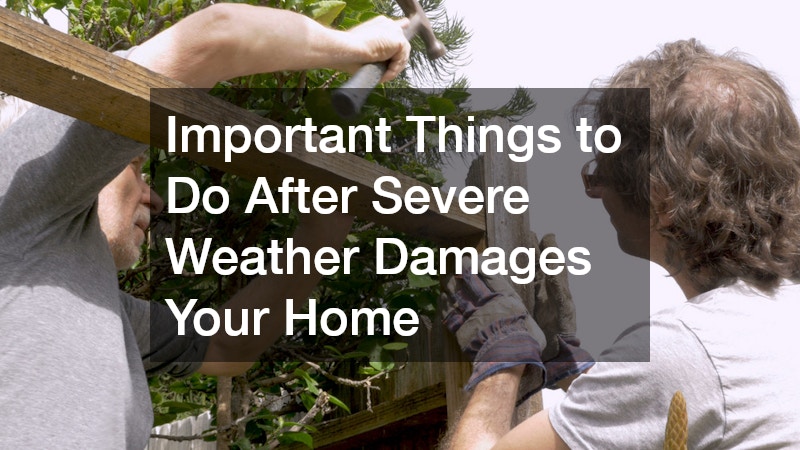
Severe weather can leave homeowners facing significant property damage, safety hazards, and difficult decisions about what to do next. Whether your home has been impacted by a hurricane, tornado, severe thunderstorm, flood, hailstorm, or winter freeze, the actions you take in the hours and days following the event can make a major difference in the recovery process. While it is natural to feel overwhelmed when assessing damage to your roof, siding, windows, landscaping, or interior spaces, having a clear plan can help you protect your family, minimize further losses, and begin restoring your property as quickly as possible.
After a major weather event, safety should always be your first priority. Damaged structures, fallen trees, exposed electrical systems, gas leaks, and floodwaters can create dangerous conditions that may not be immediately visible. Before inspecting your property, make sure the area is safe and follow guidance from local authorities and utility providers. Once immediate hazards have been addressed, it is important to document the damage, contact your insurance company, and take reasonable steps to prevent additional deterioration.
Recovering from severe weather damage often involves coordinating with multiple professionals, from restoration specialists and roofing contractors to electricians, plumbers, and tree removal experts. Understanding which tasks should be handled first can help you avoid costly mistakes, streamline insurance claims, and restore your home more efficiently. This guide outlines the most important things you should do after severe weather damages your property, providing practical steps to protect your investment and move forward with confidence.
Prioritize Safety by Tarping Exposed Areas Promptly
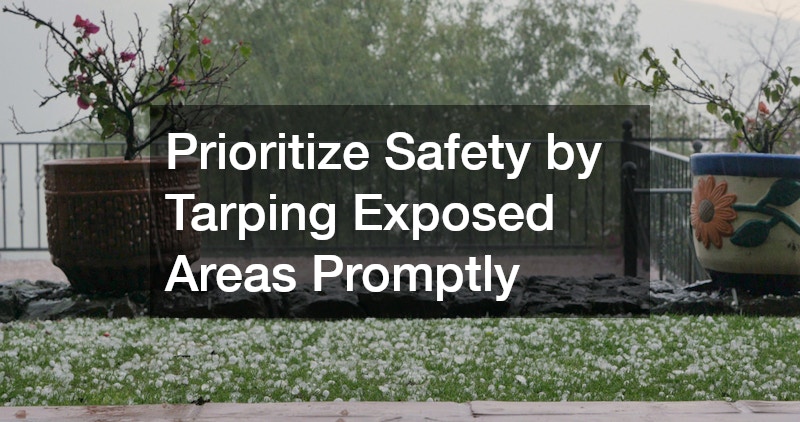
When high winds tear away shingles or a falling tree punctures your home’s uppermost barrier, your entire property is immediately at risk. The most urgent priority after a storm is sealing the envelope of your home to prevent the outside elements from destroying the interior. However, an exposed, wet, and potentially structurally compromised roof is one of the most dangerous places for a homeowner to be.
Attempting to climb a ladder with a heavy plastic tarp while the wind is still gusting is a recipe for a catastrophic fall. Furthermore, the decking beneath the remaining shingles may be rotted or fractured, meaning a single misstep could send you crashing through the ceiling into your living room below. Instead of taking on this massive physical risk, your first call should be to a reputable local roofing company that has the specialized safety harnesses, heavy-duty materials, and experience required to navigate hazardous upper elevations.
Securing the top of your home buys you precious time. It stops the bleeding, so to speak, preventing subsequent rainstorms from saturating your insulation, ruining your drywall, and short-circuiting your electrical system.
Immediate Action Steps for Overhead Damage:
-
Assess from the ground: Use binoculars to inspect the highest peaks of your home for missing shingles, bent flashing, or visible holes. Do not climb up to look.
-
Check the attic: If it is safe to do so, carefully open your attic hatch and use a flashlight to look for daylight shining through the wood decking or water dripping onto the insulation.
-
Request rapid mitigation: Contact professionals who offer emergency roof repairs to come out and install heavy-duty, waterproof tarps over the compromised sections.
-
Save the receipts: Your insurance policy almost certainly includes a “duty to mitigate” clause, meaning they will reimburse you for the cost of temporary tarps and board-ups to prevent further water damage.
By prioritizing this overhead protection immediately, you stabilize the environment inside the home, allowing you to move on to the next phases of recovery without racing against the next raincloud.
Stop Intruding Moisture by Sealing Exterior Breaches and Checking Pipes
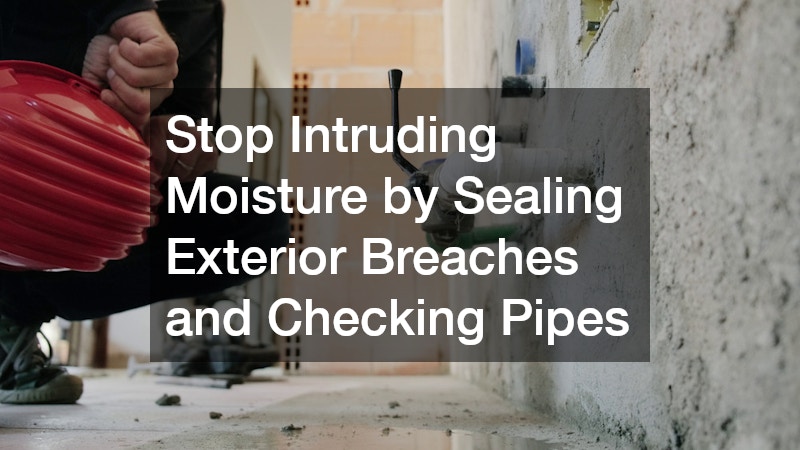
While overhead damage is often the most visible, storms can batter the sides and foundation of your home with equal ferocity. Flying debris, intense pressure differentials, and extreme temperature fluctuations can easily compromise your exterior walls, break glass, and even rupture internal systems.
Shattered glass presents an immediate security and safety risk. Not only does it allow rain and wind to sweep into your living room, but it also leaves your home vulnerable to looters or wild animals in the chaotic days following a widespread natural disaster. Specialized window contractors should be brought in to safely extract shards of glass from the frames, properly board up the openings with thick plywood, and eventually measure the spaces for custom replacements that meet the latest regional wind and impact codes.
Simultaneously, you must turn your attention to the water systems hidden behind your walls. If the severe weather involved a deep freeze or if high winds caused the framing of your house to flex and shift, your pipes might have cracked. Water expands when it freezes, creating immense pressure that can burst even the thickest copper or PVC lines. Alternatively, a shifting foundation can snap buried lines.
What to Look for Regarding Moisture and Plumbing:
-
Monitor water pressure: If your water trickles out of the faucet when the main valve is fully open, you likely have a massive leak somewhere in the system.
-
Listen for hissing or dripping: Walk through your home when it is completely quiet and listen near the walls in your bathrooms and kitchen.
-
Watch for ceiling stains: A rapidly expanding brown water stain on a first-floor ceiling indicates a broken pipe on the second floor.
-
Inspect the water meter: Turn off all fixtures in the house and check the dial on your municipal water meter. If it is still spinning, water is escaping your closed system.
Before turning the main water supply back on after a severe freeze or a structural event, it is highly recommended to have licensed local plumbing contractors perform a pressure test on your lines. They can identify hidden leaks behind drywall or beneath foundation slabs before those leaks cause tens of thousands of dollars in hidden water damage.
Prevent Mold Growth by Inspecting Climate Control Systems Early

In the rush to return to normalcy, many homeowners make the critical mistake of turning their power back on and immediately firing up their air conditioning or heating systems. This instinct is understandable—you want to dry out the house or warm up your freezing family—but it can be incredibly dangerous if the system has been compromised by the storm.
Exterior compressor units are frequently crushed by falling branches, buried in mudslides, or flooded by rising storm surges. If floodwaters have submerged the outdoor unit, the delicate electrical components and motors are likely ruined and pose a severe shock or fire hazard if energized. Inside the home, the situation can be equally perilous. If wind-driven rain or floodwaters have entered your ductwork, turning on the system will instantly blow mold spores, bacteria, and contaminated dust into every single room of your house, creating a massive health hazard.
Furthermore, electrical surges caused by lightning strikes or a fluctuating power grid can fry the internal circuit boards of your climate control systems. For these reasons, the system must remain completely powered down at the breaker box until it has been thoroughly evaluated.
Steps to Secure Your Climate Control Systems:
-
Kill the power: Locate your main electrical panel and flip the breaker for both the indoor air handler and the outdoor compressor to the “off” position.
-
Clear exterior debris: Carefully remove branches, leaves, and trash that may have blown into or around the outdoor unit, but do not attempt to open the metal casing yourself.
-
Inspect exposed ducts: Look at the registers in your floor or ceiling. If you see standing water, mud, or smell a distinct musty odor, the ductwork is contaminated.
-
Call in the experts: Schedule an appointment with certified HVAC contractors who can test the electrical components for shorts, measure refrigerant levels, and sanitize or replace waterlogged ductwork before the system is turned back on.
Taking these precautions ensures that when you finally do turn the air back on, you are circulating clean, safe air rather than toxic spores and dangerous electrical currents.
Identify Tripping Hazards by Checking Driveways and Walkways for Shifting
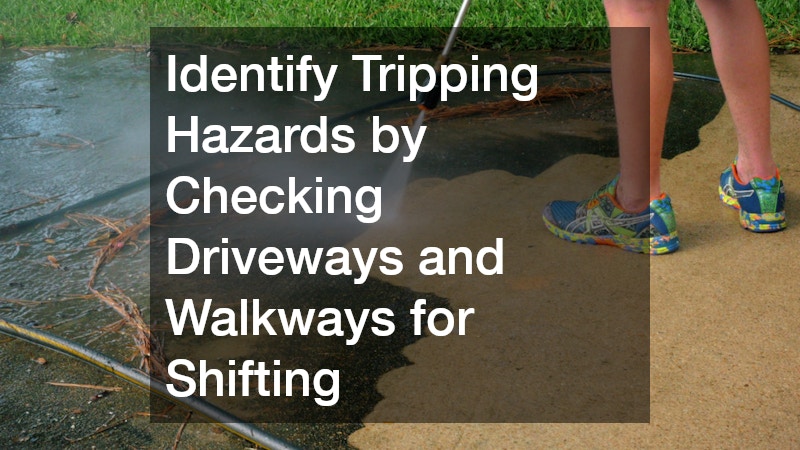
Once the interior environment is stabilized and secured, your attention must turn back to the exterior perimeter of the property. Severe weather does not just damage buildings; it ravages the very earth your home sits upon. Torrential downpours cause massive soil erosion, uprooted trees tear through the ground, and freezing temperatures cause the earth to heave and contract violently.
This violent movement of the earth heavily impacts your hardscaping. Walkways, patios, and driveways are often left cracked, buckled, or entirely undermined. What was once a smooth path to your front door can become a jagged, uneven obstacle course. This represents a significant liability. In the days following a storm, your property will be visited by insurance adjusters, utility workers, neighbors, and delivery personnel. If someone trips on a shattered piece of sidewalk on your property and injures themselves, you could be held liable.
It is vital to cordon off dangerous areas with brightly colored caution tape or physical barriers until professional assessments can be made. Depending on the materials used on your property, different specialists will be required to ensure the ground is safe to traverse again.
Managing Exterior Hardscape Damage:
-
Look for washout: Inspect the edges of your driveways and patios. If the dirt has washed away beneath the slab, the surface will eventually collapse under the weight of a vehicle or a person.
-
Check for root heave: Look for areas where massive tree roots have pushed upward, creating sharp lips and deep cracks in your walking surfaces.
-
Assess structural slabs: Have experienced concrete contractors evaluate cracked patios or foundation perimeters to determine if the slab can be leveled using specialized injection foams or if it requires a complete tear-out and repour.
-
Evaluate asphalt surfaces: For blacktop surfaces that have been washed out or severely cratered by heavy debris, consult with paving contractors to determine the most cost-effective way to patch potholes, seal extensive cracks, or lay down a completely new surface layer.
Addressing these ground-level hazards quickly ensures that the staging areas around your home are safe for the heavy machinery and foot traffic that the long rebuilding process will require.
Document All Damage for Thorough Insurance Claims
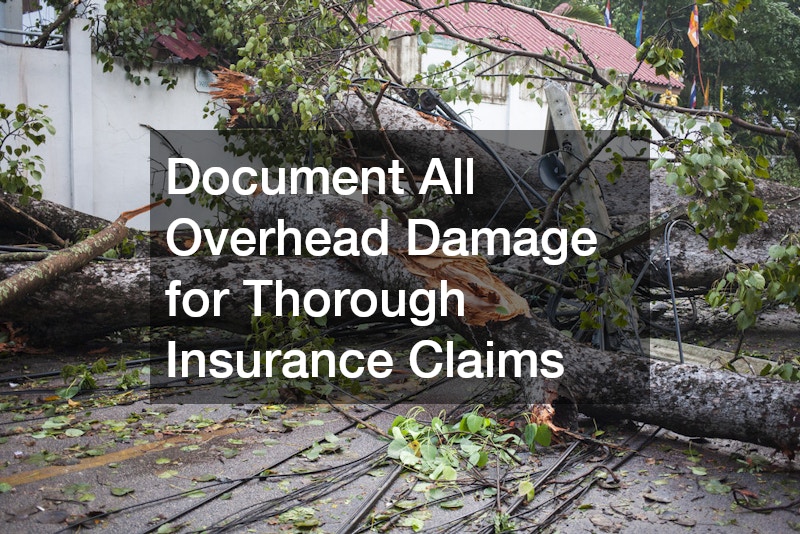
Recovery is not just a physical process; it is a heavily administrative one. The financial burden of rebuilding after a disaster is astronomical, which is why your homeowner’s insurance policy is the most valuable asset you possess in the weeks following a storm. However, insurance companies do not simply hand over blank checks. They require meticulously detailed, highly specific proof of every single claim you make.
The most contested and expensive claims usually involve the uppermost barrier of the home. Adjusters are trained to look for pre-existing wear and tear, and they will often try to attribute storm damage to a lack of maintenance to minimize the payout. This is why you cannot rely on a simple visual inspection from the ground, nor should you rely solely on the adjuster’s opinion. You need an advocate who speaks the specific, technical language of the insurance industry.
Before the adjuster arrives, you must begin building your case. Take hundreds of photographs. Photograph the debris in the yard, the water stains on the ceiling, and the shattered shingles lying on the lawn. Create a timeline of the weather event, noting exactly when the damage occurred.
Building a Bulletproof Insurance Claim:
-
Do not throw anything away: Leave broken materials piled neatly in the yard until the adjuster has seen them in person.
-
Request a line-item estimate: Get an incredibly detailed breakdown of the damage from licensed roofing contractors who understand how to document the exact number of squares needed, the cost of specialized underlayment, and the local building codes that require complete system upgrades rather than simple patches.
-
Be present for the inspection: Walk the property with the insurance adjuster. Point out the hidden damage you have found and ensure they note every single affected area in their official report.
-
Review the settlement carefully: Do not cash the first check if it explicitly says “final payment” unless you are absolutely certain it covers the entirety of the professional estimates you have received.
Thorough documentation is the shield that protects you from being underpaid. It ensures that you have the financial resources necessary to rebuild your home to its pre-storm condition using high-quality materials and skilled labor.
Salvage Usable Materials Before Tearing Out Waterlogged Interiors
If the severe weather event involved massive flooding, a storm surge, or a roof breach that allowed torrential rain into your living spaces, you will eventually face the daunting task of interior demolition. Standing water is incredibly destructive. Within 48 hours, porous materials like drywall, baseboards, and carpets begin to harbor toxic black mold. To save the structural framing of the house, these wet materials must be aggressively torn out, a process known as “mucking and gutting.”
However, before the sledgehammers start swinging and the heavy debris dumpsters arrive, you must take a strategic approach to demolition. Not everything that got wet is inherently ruined. Many high-value fixtures and architectural elements can be disinfected, dried out, and saved, saving you tens of thousands of dollars on the eventual rebuild.
Solid wood furniture, certain types of hardwood flooring, and non-porous surfaces can often survive a brief encounter with clean rainwater or even minor floodwaters if they are addressed quickly. The key is careful, methodical removal rather than chaotic destruction.
Strategic Salvage and Demolition Tips:
-
Cut the drywall high: When removing wet drywall, always cut a straight line at least two feet above the highest water mark to ensure you remove all moisture-wicking material and expose the wall studs for rapid air-drying.
-
Evaluate custom woodwork: Consult with specialized kitchen contractors before throwing away expensive wooden cabinetry. If the boxes are made of solid plywood rather than particleboard, they might be salvageable with industrial dehumidifiers and professional treatments.
-
Protect heavy stone: Do not attempt to pry up expensive granite, marble, or quartz surfaces yourself, as they will easily snap in half without proper support. Hire a professional local countertop contractor to safely detach the stone from the wet lower cabinets, transport it, and store it safely in a dry location until the room is rebuilt.
-
Disinfect the framing: Once the wet materials are gone, treat the exposed wooden wall studs with commercial-grade antimicrobial sprays to kill any lingering mold spores before you even think about installing new insulation or drywall.
By taking a surgical approach to the demolition phase, you preserve the most valuable elements of your home’s interior, easing the financial strain and maintaining some of the original character of your living space.
Moving Forward With Confidence After a Storm
Recovering from severe weather damage is a marathon, not a sprint. It is a grueling process that will test your patience, your finances, and your emotional resilience. There will be days when the insurance company delays a payment, or a building material is out of stock, or the weather turns bad again, halting the progress on your repairs. During these frustrating moments, it is vital to remember how far you have come since the storm first passed.
By taking a methodical, safety-first approach to your recovery, you have protected your family from immediate harm. By meticulously documenting the destruction, you have secured the financial resources needed to rebuild. And by carefully vetting and hiring licensed, specialized professionals for every stage of the project—from the top of the house down to the foundation—you are ensuring that your home will be reconstructed to the highest possible standards of safety and durability.
Do not let the chaos of a disaster force you into making rushed decisions. Avoid the door-to-door storm chasers who offer unbelievable discounts for cash up front, and rely instead on established businesses with deep roots in your community. Rebuilding takes time, but with the right team of experts by your side, your home will emerge from the wreckage stronger, safer, and more resilient than ever before. You have survived the storm; now, you can confidently build for the future.

